What Does Mr. Lindner Want From the Younger Family?
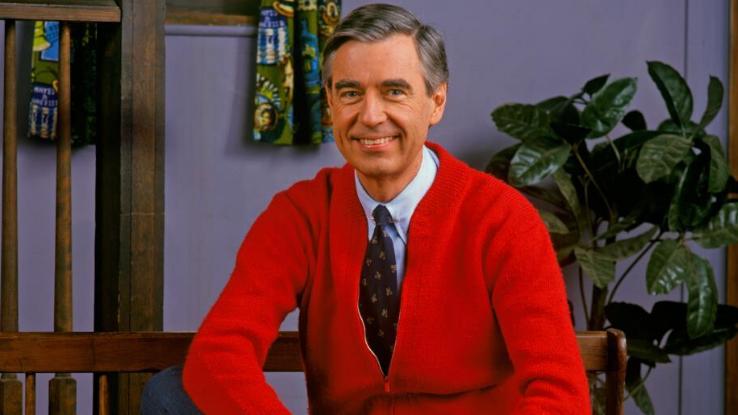
It's always a beautiful day in the neighborhood thanks to Fred Rogers. For 33 years, he was the creator, showrunner and host of the American goggle box series, Mister Rogers' Neighborhood. He transformed children's tv set, promoting kindness and speaking openly about children's emotional and concrete concerns.
Rogers won the hearts of many people. He also earned honorary degrees and awards, including the Presidential Medal of Freedom and a Lifetime Achievement Emmy. Was at that place anything this man couldn't practice? Read on to learn more about the legacy of everyone's beloved "neighbor," Mr. Rogers.
He Hated TV, So He Changed It
When Rogers turned on the television, he often saw violence and people demeaning each other. The inhumanity made him furious, so he decided to inspire modify in the medium, assertive there was a way to "nurture" viewers with a mannerly and gentle program. Equally a event, he created Mister Rogers' Neighborhood to spread cognition and kindness. The show'due south production and sets were bones, but that didn't finish it from condign groundbreaking television.
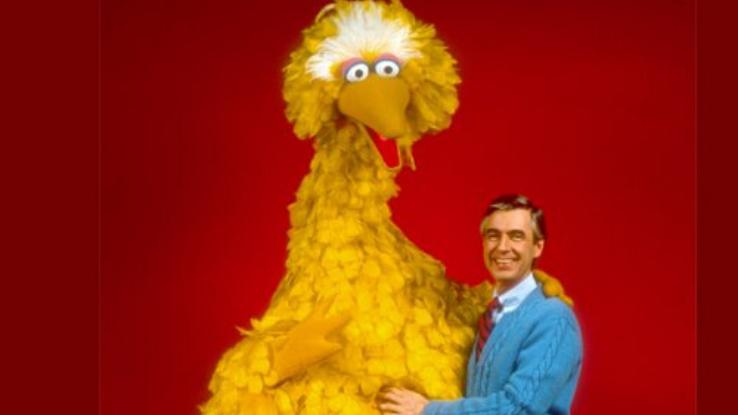
Not only did Rogers make a significant impact on kids and their parents, merely he as well influenced celebrities. One of his fans is Michael Keaton, who ended up hosting a lovely Mr. Rogers documentary called It's You I Similar. Tom Hanks also adores Rogers and portrayed him in the 2019 film A Beautiful Day in the Neighborhood.
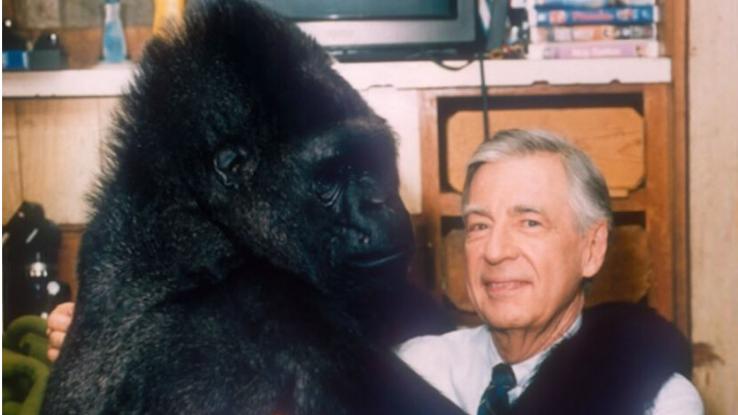
One of Rogers' biggest fans wasn't even human being. Koko, the Stanford-educated gorilla who knew 2,000 English words and 1,000 words in American Sign Language, loved him also. When Rogers met her, she instantly welcomed him with open arms and took off his shoes (the same manner he does on the show).
He Personally Responded to Every Letter from Fans
Rogers' daily routine included waking up at 5 every forenoon, praying, writing, studying, exercising and replying to all his fan mail. The show's programme assistant, Heather Arnet, told the Pittsburgh Post-Gazette, "He respected the kids who wrote them. He never thought about throwing out a drawing or letter of the alphabet. They were sacred."
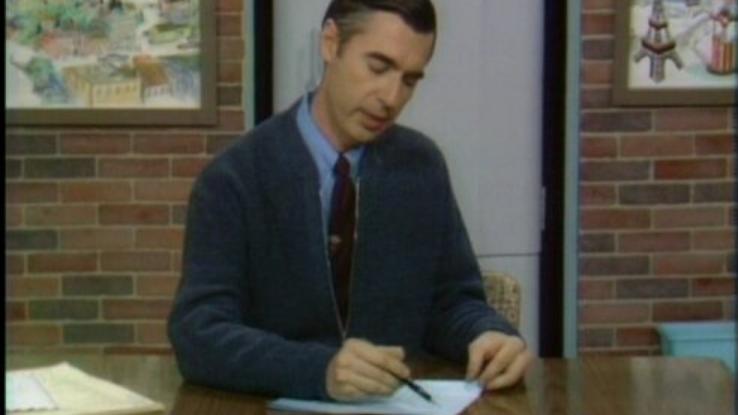
The letters were more than than just drawings and ramblings. Many children opened up to him nearly their personal bug, such as a loss in the family or other serious problems. Each day, Rogers received 50 to 100 letters from fans, and he wrote dorsum to each i. Today, the Fred Rogers Center in Latrobe, Pennsylvania, holds well-nigh 1 1000000 of those letters.
He Was a Gifted Musician
Subsequently attention Dartmouth College for one year, Rogers transferred to Rollins College. He graduated magna cum laude with a degree in music. As a talented songwriter, he created all the tunes for Mister Rogers' Neighborhood, which is more than 200 songs. He also played the piano magnificently, and it shows in each episode.
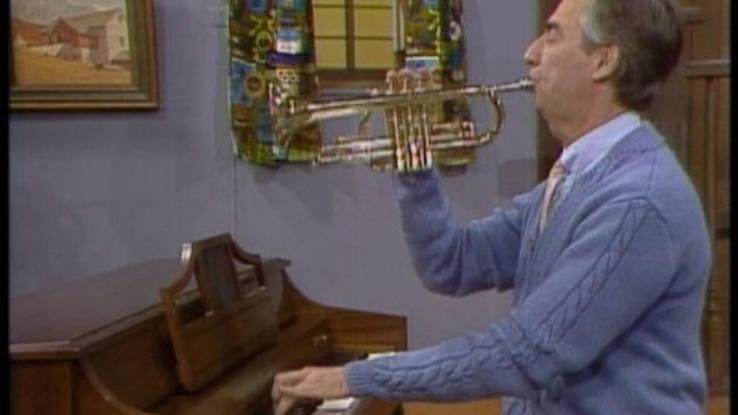
Rogers created music at a young age, even after getting bullied. When he was a kid, life was tough. He was shy and overweight, and his classmates teased him. "I used to cry to myself when I was alone. And I would cry through my fingers and make upwardly songs on the piano," recalled Rogers.
He Saved Public Television receiver and the VCR
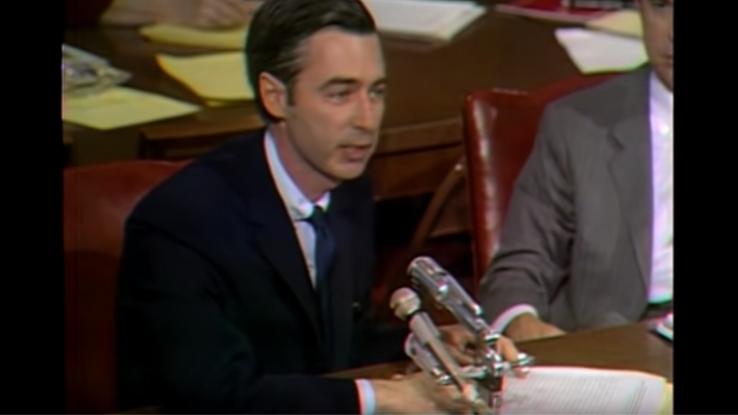
In 1969, Rogers went to Washington D.C. to help stop budget cuts for public tv set. He presented his case in front of the Senate, explaining how he could assist children. "I experience that if we in public television can only brand information technology clear that feelings are mentionable and manageable, nosotros will have done a great service for mental health," Rogers explained to the Senate. He did more than just stop the upkeep cuts by the terminate of the hearing. Within six minutes, he convinced the committee to provide $22 1000000 in funding for public TV.
In 1984, Rogers supported the "fair use" of media in a Supreme Courtroom case. Some people considered recording Boob tube shows to be copyright infringement. However, Rogers influenced the upshot, arguing that information technology was of import for parents to be able to tape children's programs and picket them at more than fitting times equally a family.
He Cared Deeply About Others
From 1968 to 2001, Rogers fabricated sure to use his show for good. Focusing on children's emotional and concrete struggles, he included many personal topics because he cared almost his audition'due south needs, concerns and happiness. He answered questions virtually everything from scary haircuts to fights with siblings to divorce and state of war.
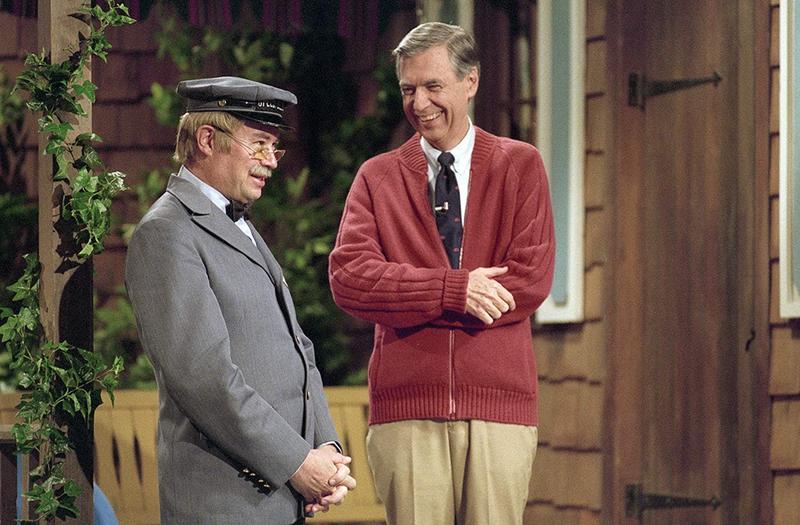
Rogers was well-prepared for his young audience because he attended the Academy of Pittsburgh's Graduate School of Child Development. He too worked with a child psychologist for thirty years.
Many people found Rogers caring, including reporters and limo drivers. During interviews, he asked reporters questions about their lives and got to know them. It wasn't uncommon for him to call them every once in a while to continue in affect. He did the same to one of his limo drivers. During one of the rides, the driver mentioned they were passing his house. Wanting to come across the driver'due south family, Rogers asked if they could stop by. The consequence was heartwarming. Rogers played the piano and talked to the family into the night.
Source: https://www.ask.com/entertainment/legacy-fred-rogers?utm_content=params%3Ao%3D740004%26ad%3DdirN%26qo%3DserpIndex
0 Response to "What Does Mr. Lindner Want From the Younger Family?"
Post a Comment